

The Institute

Who we are

The IRIS Institute advances science and technology to improve human health.

We share a common purpose: to generate knowledge and develop solutions for a healthcare system that is accessible,
efficient, and equitable for all.

IRIS drives cutting-edge research to address major health challenges, transforming scientific knowledge into tangible solutions that improve people's health and strengthen the healthcare system.

Our integrated vision and mission

Artificial Intelligence and Smart Systems in Healthcare

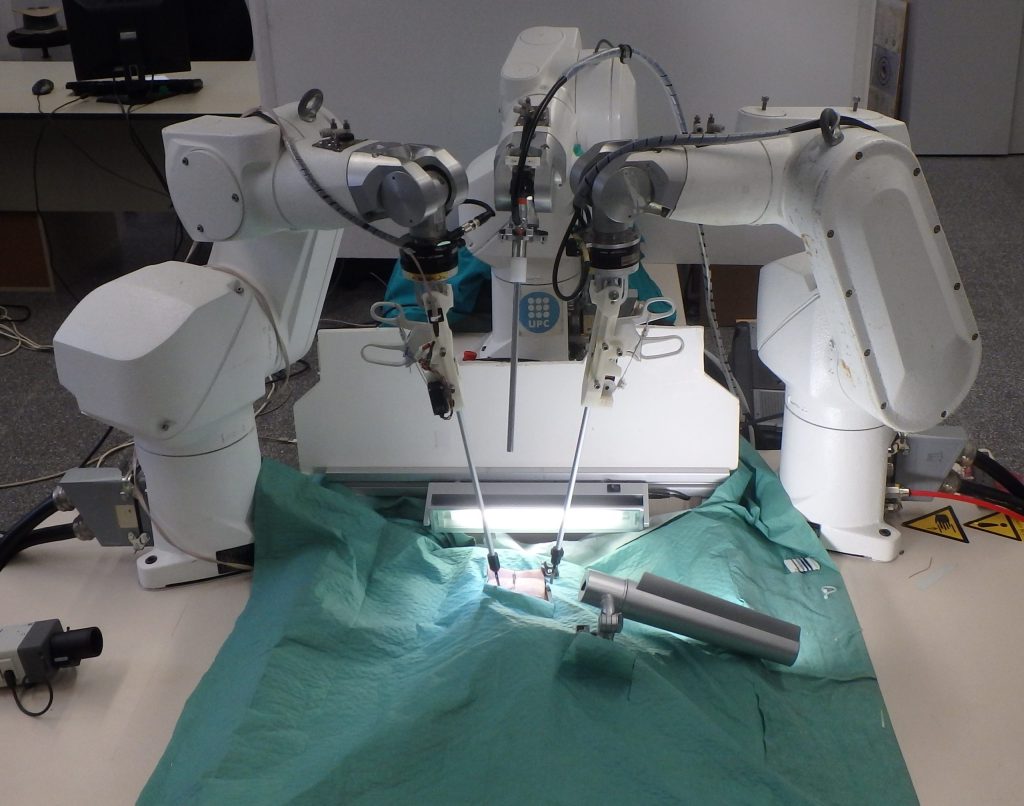
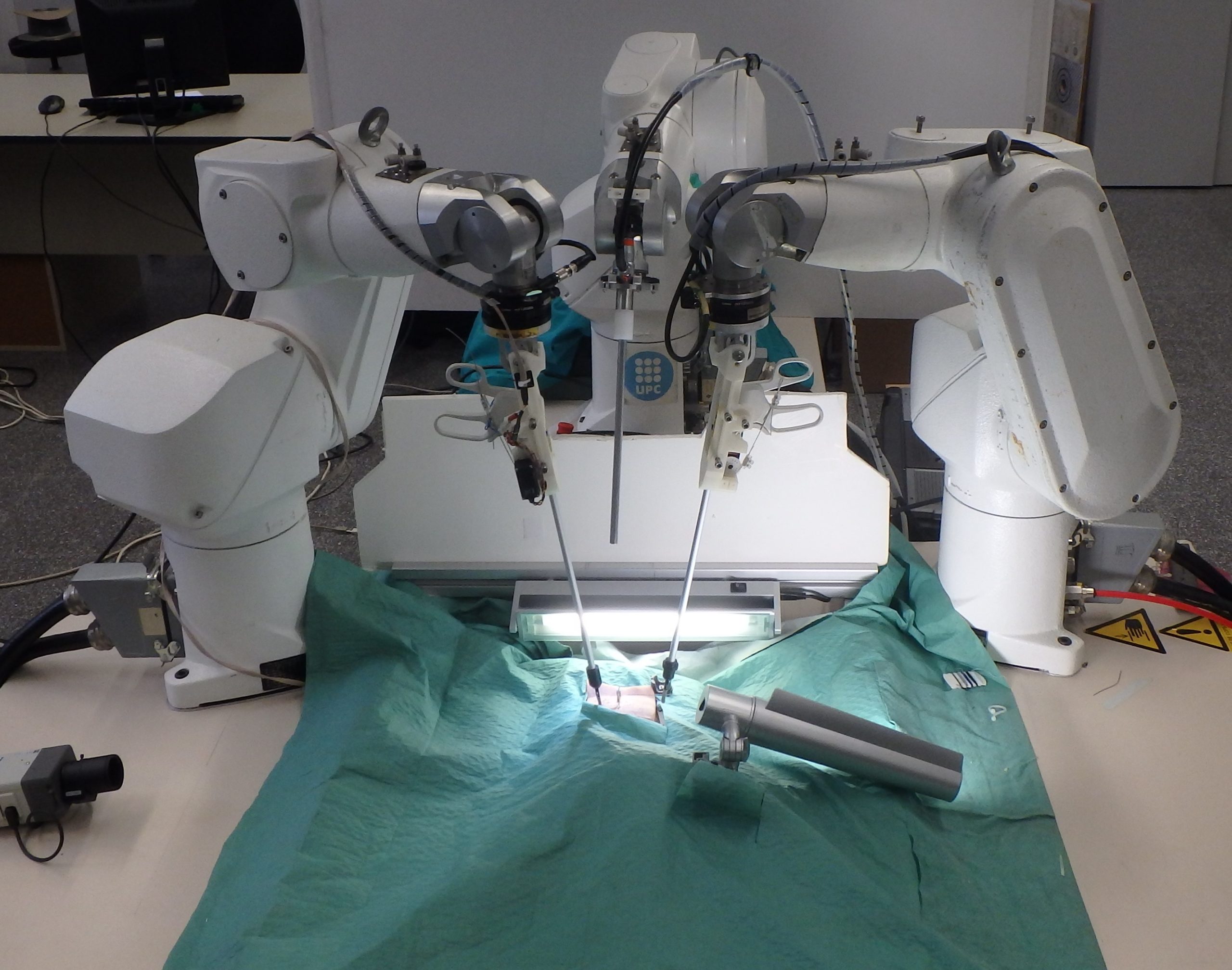
We promote advanced technologies such as artificial intelligence, robotics, and bioengineering to address health challenges with a transformative outlook. Through smart systems, we are able to improve disease diagnosis and prediction, personalize treatments, and equip healthcare professionals with advanced tools.

Human-Centered Approach

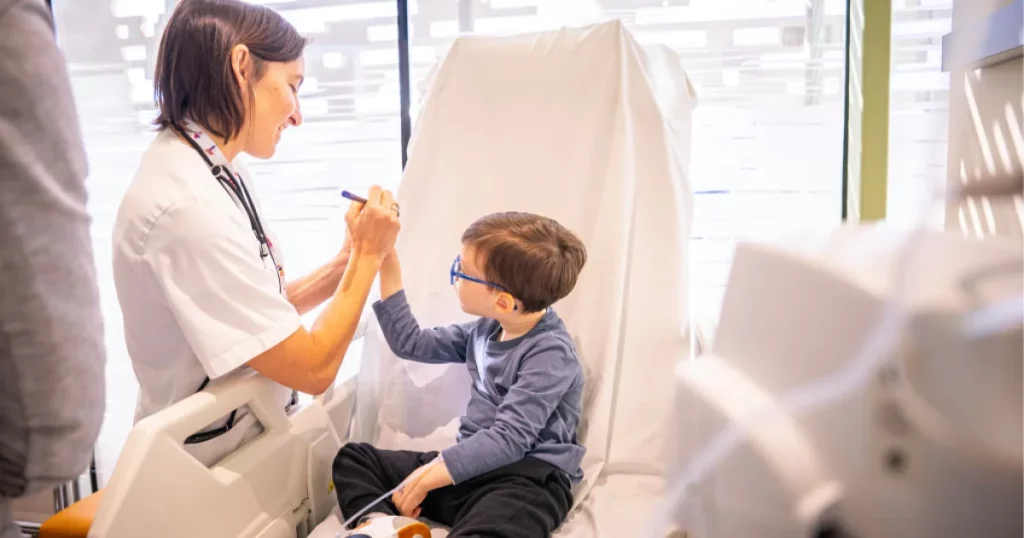
We address health challenges with a humanistic perspective. Technology and research are only meaningful if they enhance the lives of patients and empower healthcare professionals.

Real Impact and Progress

We work to ensure our projects have a direct application in real patients, hospitals, social entities, and healthcare services. Our focus is on achieving concrete, useful, and practical results.

Collaborative and Interdisciplinary Innovation

We foster collaboration across diverse disciplines and stakeholders in the sector to create innovative and comprehensive solutions. We work in partnership with healthcare professionals, institutions, and companies to drive progress in applied research.

Our History

In 2025, The Research Centre for Biomedical Engineering (CREB) becomes the Institute for Research and Innovation in Health (IRIS).

This transition builds on over 30 years of research and technology transfer, marking the beginning of a new era of expanded action and collaboration across the healthcare ecosystem.

Take a look at our journey of transformation in health technology research:

Early 90’s

The vision takes shape. Pioneers Pere Caminal and Josep Anton Planell envision a small, autonomous research centre focused on improving human health through engineering. In 1992, the UPC formalizes this innovative structure, laying the foundations of what would later become CREB.


Late 90’s

CREB is born. Initially recognized in 1992 as the Institut de Cibernètica, the centre is renamed the Centre de Recerca en Enginyeria Biomèdica (CREB) in 1999 and joins the Catalan Government’s Xarxa IT. CREB becomes the first UPC research centre integrating multiple research groups.

2007

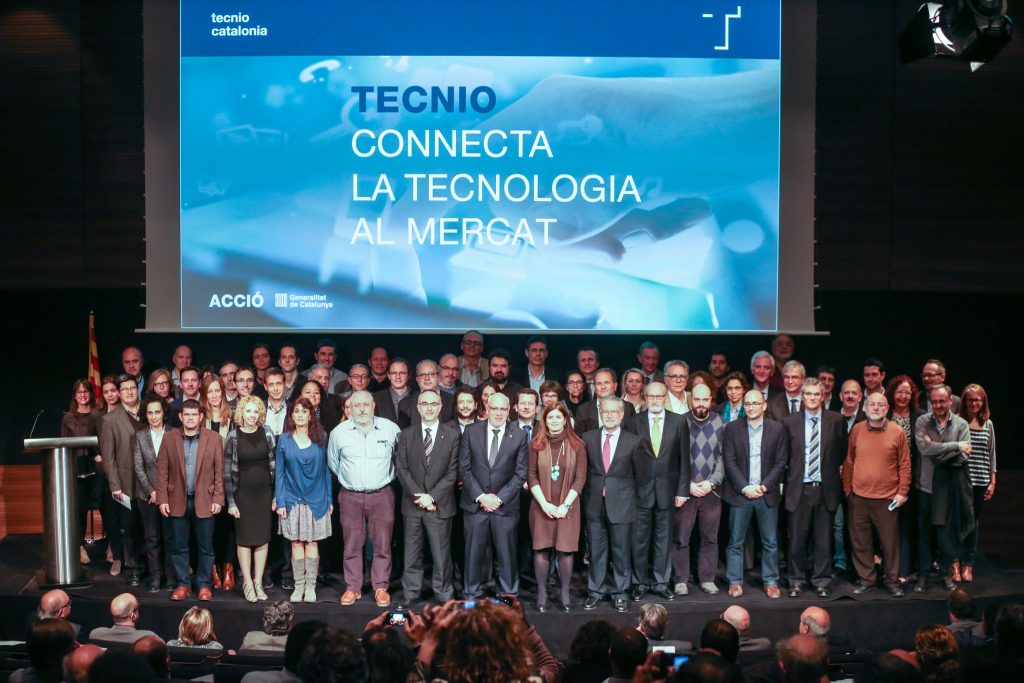
CREB becomes one of the first accredited members of the TECNIO Network. This recognition, granted by ACCIÓ highlights CREB’s excellence in technology transfer and its role in bringing cutting-edge research closer to the productive sector.

2013-2014

Strengthening strategic alliances. CREB strengthens its leadership through key partnerships, co-founding the Research Institut Sant Joan de Déu and the Catalonia Health Tech Cluster, fostering collaboration between academia, healthcare and industry.

2018

A new collaborative space. CREB moves to its new headquarters at ETSEIB, designed as an open innovation hub for researchers, clinicians, companies and students.

2020

Xartec Salut is launched. CREB leads the creation of Xartec Salut, a network connecting over 100 research groups and institutions to accelerate health technology transfer and impact.

2025

IRIS builds on CREB’s legacy. After more than 30 years of pioneering work, the centre transforms into the Institute for Research and Innovation in Health (IRIS), a UPC institute that brings together 12 accredited research groups and over 170 researchers.

IRIS’ Numbers (2024)

12
Research Groups
+170
Researchers and Professionals
+55
Technology Transfer Projects
5
Campus
10
Spin-offs
+65
Patents
+140
Articles indexed in journals
+113
Presentations and Congresses
+46
Competitive R&D&I Projects
+20
Non-competitive R&D&I Projects
+14
Doctoral Theses