Interviews 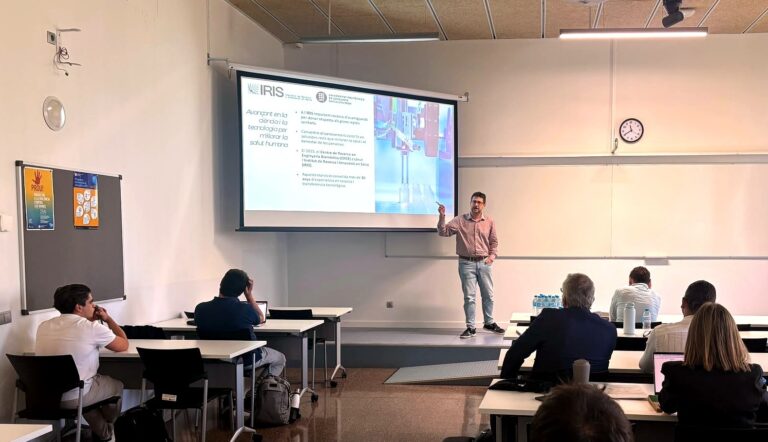
September 16, 2026


Share this article:


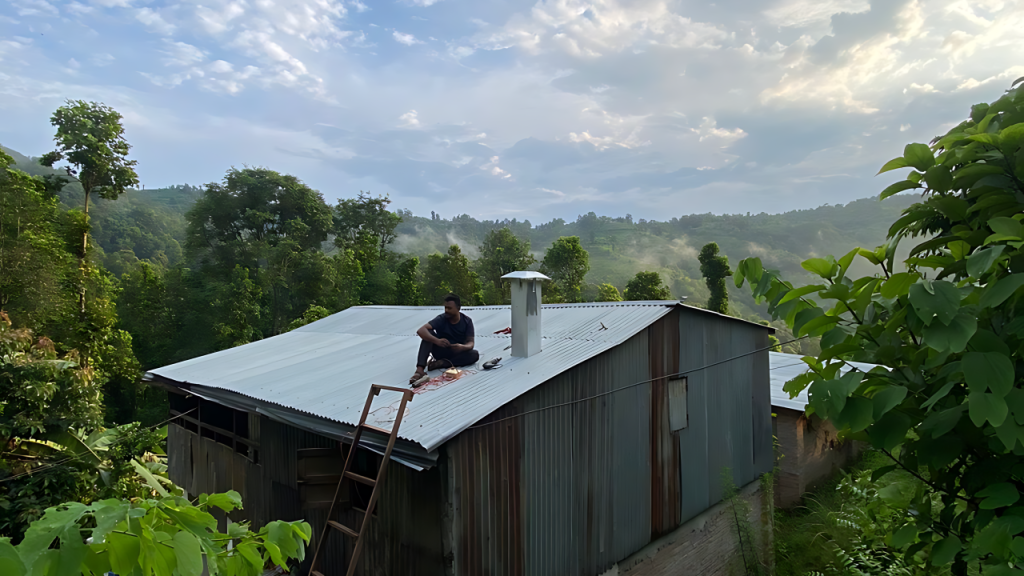
The Awasuka programme is a cooperative initiative operating in rural regions, installing hundreds of improved chimney-stove systems in homes that traditionally rely on indoor firewood for cooking and heating. These systems reduce exposure to toxic smoke, which each year kills 24,000 people in Nepal, mostly women and children. Awasuka demonstrates how a chimney-stove installation can enable families to cook and heat their homes without health risks and prevent premature deaths.
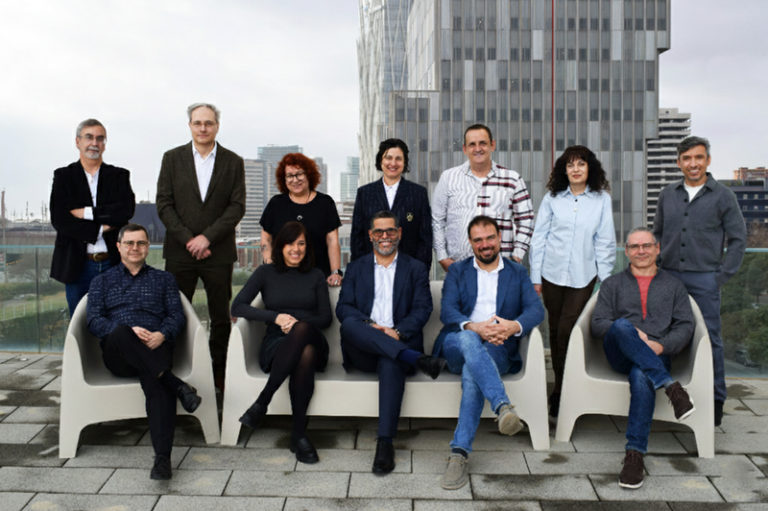
This research is being carried out by a multidisciplinary team from IRIS – Institute for Research and Innovation in Health, at the Universitat Politècnica de Catalunya – BarcelonaTech (UPC). The scientific team includes researchers Jordi Fonollosa from the Bioinformatics and Biomedical Signals Laboratory (B2SLAB), and Clara Prats and Daniel López Codina from the Computational Biology and Complex Systems Group (BIOCOM-SC).
The next phase of the project will assess the impact of these chimney-stoves on indoor air quality and health, with the goal of encouraging their adoption across Nepal. By providing objective data, the research aims to demonstrate their value to both local communities and public health or policy institutions.

In the aftermath, efforts focused on developing and disseminating low-cost earthquake-resistant construction technologies to repair or rebuild damaged houses. While the 2015 earthquake claimed 9,000 lives, toxic gases from indoor fires kill an estimated 24,000 people each year — primarily women and children — according to the World Health Organization (WHO). Since then, under the direction of UPC architect Mònica Sans, the programme has pivoted to the installation of hundreds of improved chimney-stoves — a solution to the toxic indoor smoke that results from cooking and heating with open wood fires, in homes lacking proper ventilation.
“High-quality development cooperation projects can generate change far beyond the scope of the project itself,” says Daniel López Codina. “Universities play a key role because they provide the kind of knowledge needed to ensure impact. The technology used in Awasuka is simple and effective — now our goal is to quantify its benefits. That’s a critical step to expand its reach and help many more Nepali families live smoke-free. It’s particularly crucial for the health of young children and women.”
The initiative also involves paediatrician Ferran Campillo (Environmental Health Unit, Olot Hospital), epidemiologist David Ferràndiz (Catalan Health Service), Brazilian researcher Jones Albuquerque (Keizo Asami Laboratory of Immunopathology), systems engineer Mario Bravo (BIOCOM-UPC), and two university students.
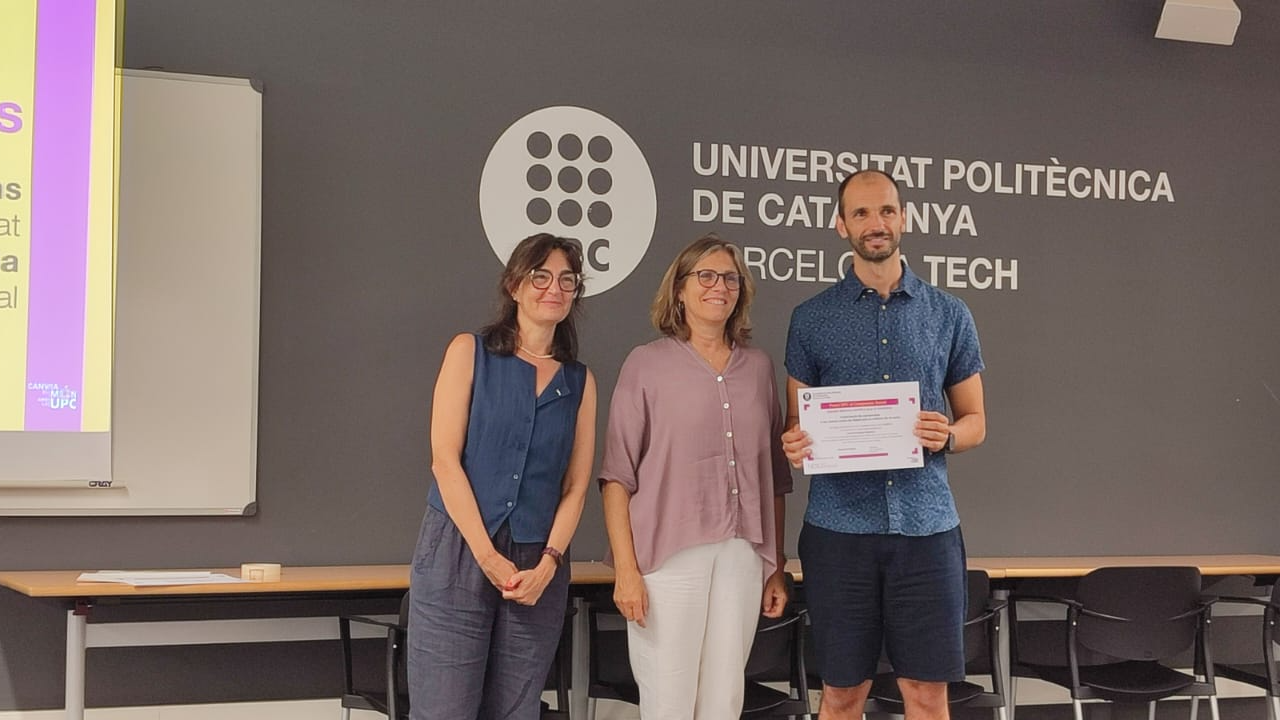
In recognition of its social impact, the research project was awarded the UPC Prize for Social Commitment 2025, granted by the Social Council of the Universitat Politècnica de Catalunya – BarcelonaTech (UPC). The award highlights the project’s contribution to improving public health and living conditions in vulnerable communities through applied research and international cooperation. The prize will support the installation of new chimney-stove systems and the reinforcement of local capacity in Nepal, ensuring the long-term sustainability of the initiative.
Share this article: