




BIOCOM-SC Computational Biology and Complex Systems

Principal investigator: Clara Prats Soler
Website 
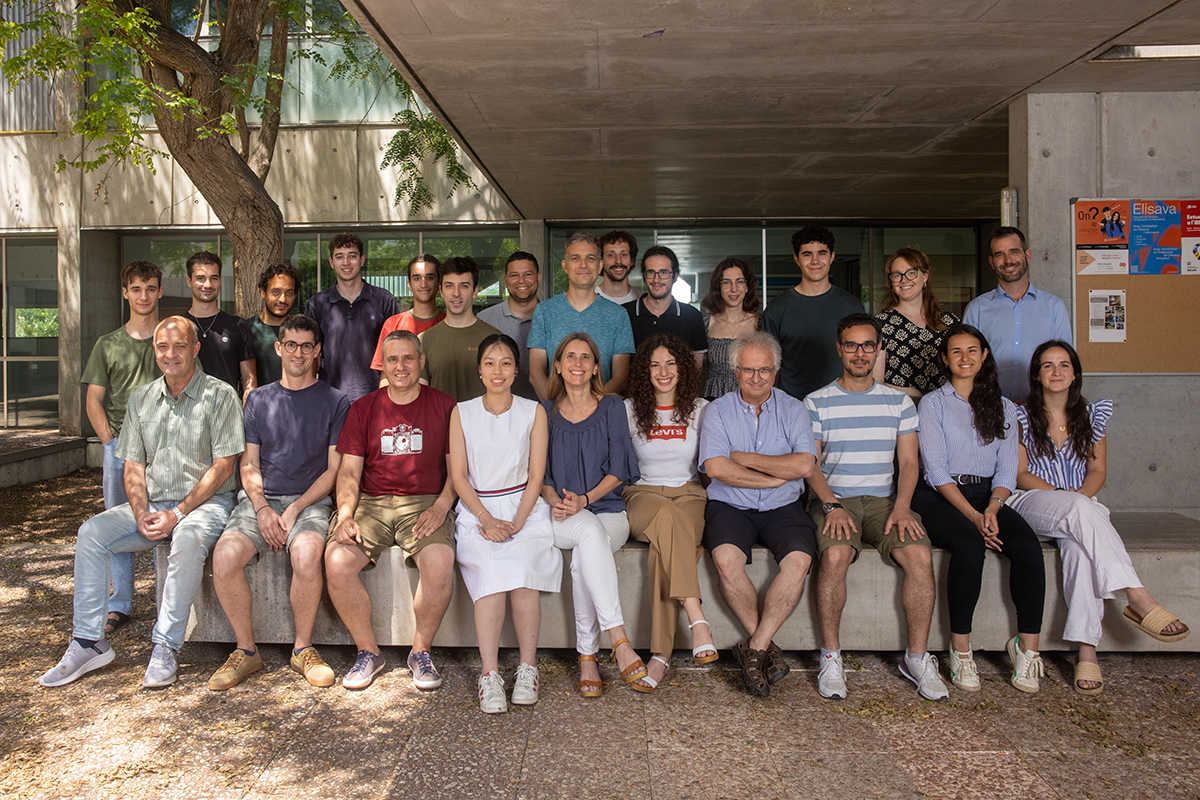
BIOCOM-SC addresses complex challenges in biomedicine, public health, and innovation through an interdisciplinary perspective based on physics and mathematics, while promoting knowledge and technology transfer to improve health, global health, and decision-making in clinical and community settings. The group applies tools from physics and mathematics to understand complex biomedical and biophysical processes, such as organoid formation, cardiac dynamics, infectious diseases, or computational neuroscience. They also develop and transfer innovative medical technologies to the healthcare system, including software, patents, and prototype devices for diagnosis and treatment, as well as low-cost diagnostic solutions for diseases in resource-limited settings, particularly in Global South countries. The group also promotes interdisciplinary and collaborative research, providing rigorous scientific analyses and reports to support public health decision-making, in collaboration with national and international health authorities.
Featured Projects
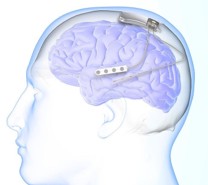
AI-based personalized electrical neuromodulation to treat Drug-Resistant Epilepsy
Approximately 40% of people with epilepsy are resistant to medication, and the main alternative—surgery—has a relatively low success rate (40–60%). Current electrical neurostimulation therapies rely on pre-set protocols that limit their effectiveness. This project aims to enhance neuromodulation outcomes by developing AI-based software capable of quantifying the effects of electrical stimulation on the brain using long-term intracranial EEG recordings, paving the way for personalized therapeutic stimulation configurations.
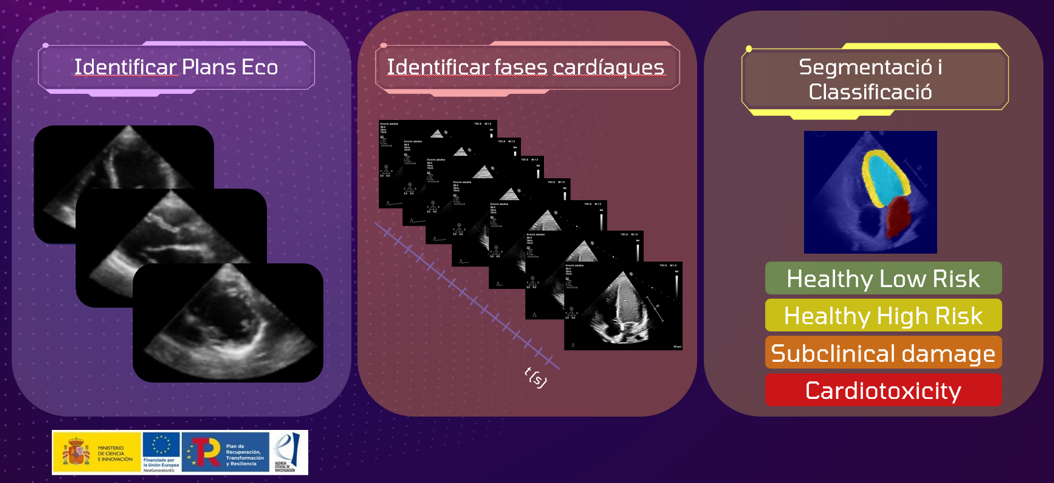
AI-CARONTE – AI-based tools to assess cardiovascular risk in pediatric oncology patients (Horizon 2020)
Led by Hospital Sant Joan de Déu and UPC, this project focuses on identifying cardiovascular risk factors in pediatric oncology patients. Through digital pathology and AI techniques, researchers are identifying biomarkers to improve the diagnosis and prognosis of cardiovascular complications. The project also investigates shared risk markers between pediatric and adult populations, in collaboration with leading hospitals.
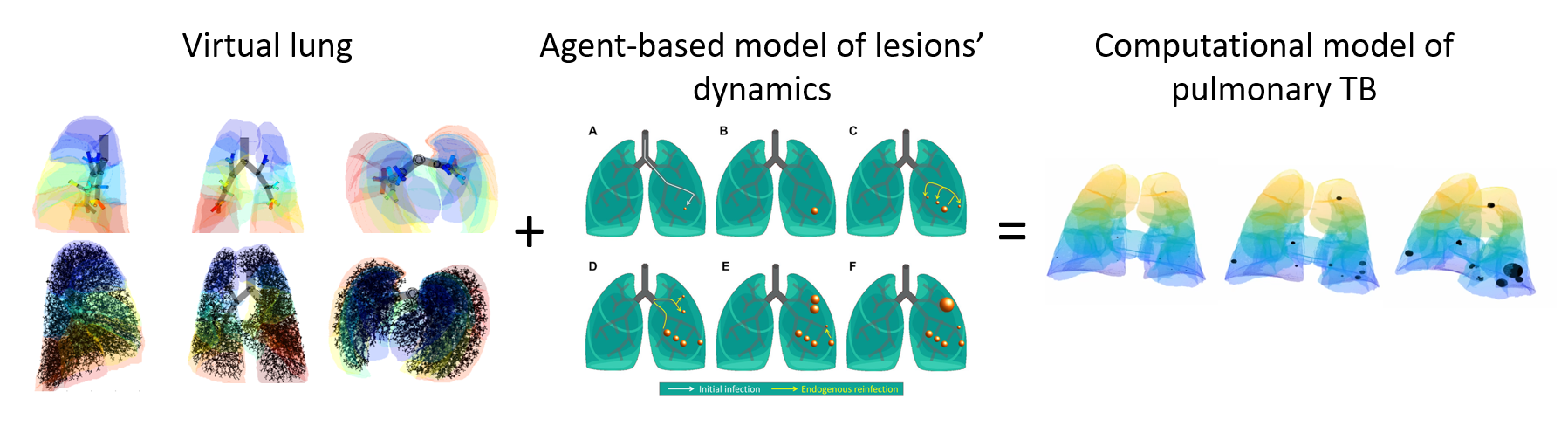
Computational modelling of tuberculosis dynamics in virtual lungs
Tuberculosis (TB) remains one of the leading infectious causes of death worldwide, responsible for 1 to 1.5 million deaths each year, especially in the Global South. One major challenge is predicting which latent infections will progress to active pulmonary disease (~10% of cases). This interdisciplinary project—led by researchers from UPC (BIOCOM-SC), the Barcelona Supercomputing Center (BSC), and Hospital Germans Trias—uses virtual lung simulations to study the physicogeometric determinants of TB progression.
AI-based personalized electrical neuromodulation to treat Drug-Resistant Epilepsy
Approximately 40% of people with epilepsy are resistant to medication, and the main alternative—surgery—has a relatively low success rate (40–60%). Current electrical neurostimulation therapies rely on pre-set protocols that limit their effectiveness. This project aims to enhance neuromodulation outcomes by developing AI-based software capable of quantifying the effects of electrical stimulation on the brain using long-term intracranial EEG recordings, paving the way for personalized therapeutic stimulation configurations.
AI-CARONTE – AI-based tools to assess cardiovascular risk in pediatric oncology patients (Horizon 2020)
Led by Hospital Sant Joan de Déu and UPC, this project focuses on identifying cardiovascular risk factors in pediatric oncology patients. Through digital pathology and AI techniques, researchers are identifying biomarkers to improve the diagnosis and prognosis of cardiovascular complications. The project also investigates shared risk markers between pediatric and adult populations, in collaboration with leading hospitals.
Computational modelling of tuberculosis dynamics in virtual lungs
Tuberculosis (TB) remains one of the leading infectious causes of death worldwide, responsible for 1 to 1.5 million deaths each year, especially in the Global South. One major challenge is predicting which latent infections will progress to active pulmonary disease (~10% of cases). This interdisciplinary project—led by researchers from UPC (BIOCOM-SC), the Barcelona Supercomputing Center (BSC), and Hospital Germans Trias—uses virtual lung simulations to study the physicogeometric determinants of TB progression.