




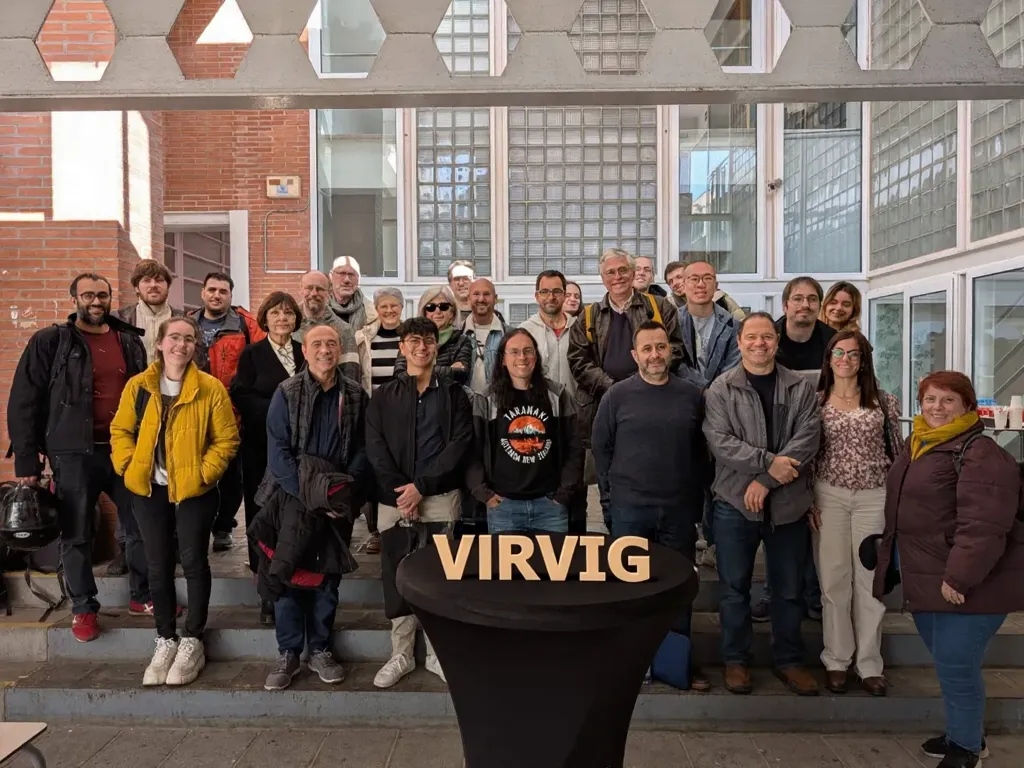
ViRVIG Visualization, Virtual Reality and Graphic Interaction

Principal investigator: Carlos Andújar Gran
Website 
ViRVIG focuses on advancing computer graphics and virtual reality technologies for high-impact applications in health, sports, architecture, natural environments, and cultural heritage. Their work includes creating high-fidelity 3D models, real-time human motion analysis, precise VR interaction techniques, and visual computing for complex spatiotemporal data. ViRVIG aims to enhance visualization, simulation, and interaction to optimize practical solutions in diverse fields.
Featured Projects
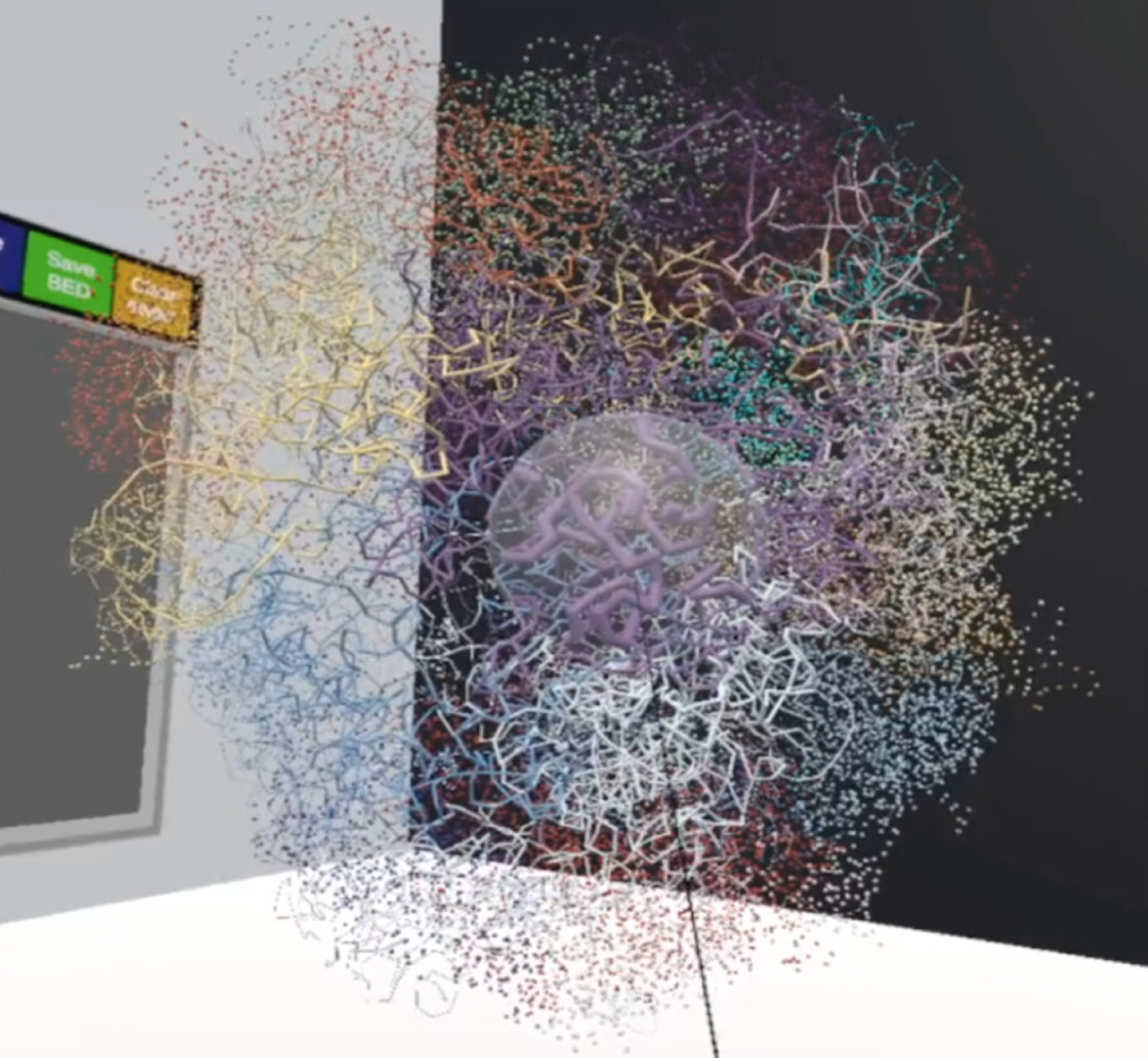
H3DViRViC
This project develops highly realistic 3D virtual reality environments focused on practical applications beyond entertainment. It improves the way virtual objects look, move, and interact to create immersive experiences. The goal is to help in areas like healthcare (for example, medical visualization and anatomy education), sports (analyzing movement and performance), architecture (collaborative design), and cultural heritage (digital preservation and reconstruction).

XR4ED
The project aims to expand the range of activities through which students can gain practical experience, allowing them to go beyond abstract knowledge and promoting competency-based teaching and learning. XR applications for education requires specialized knowledge and high technical skills, making it a costly process in terms of time, effort, and financial resources. The concept of XR4ED is twofold: to bring together the community and resources from the EdTech and XR fields, overcoming existing fragmentation and fostering accelerated innovation towards more personalized, efficient, inclusive, and innovative learning; and to build a centralized platform and an open marketplace for XR applications for learning, training, and education, becoming a European reference in this area.
ECHOES
ECHOES aims to create the European Collaborative Cloud for Cultural Heritage (ECCCH), a shared platform for professionals and researchers to access innovative data, resources, and digital tools. It will unite fragmented heritage communities across sectors into one collaborative network focused on Digital Commons. The project will digitize knowledge about tangible and intangible heritage, enabling collaborative analysis by both humans and AI, enriching heritage understanding. This will lead to a new generation of heritage objects called Digital Commons, collectively created and semantically rich—“heritage of tomorrow.” By the end, ECHOES will provide a unique platform integrating European and national heritage projects, supported by an inclusive legal entity to ensure sustainability.
H3DViRViC
This project develops highly realistic 3D virtual reality environments focused on practical applications beyond entertainment. It improves the way virtual objects look, move, and interact to create immersive experiences. The goal is to help in areas like healthcare (for example, medical visualization and anatomy education), sports (analyzing movement and performance), architecture (collaborative design), and cultural heritage (digital preservation and reconstruction).
XR4ED
The project aims to expand the range of activities through which students can gain practical experience, allowing them to go beyond abstract knowledge and promoting competency-based teaching and learning. XR applications for education requires specialized knowledge and high technical skills, making it a costly process in terms of time, effort, and financial resources. The concept of XR4ED is twofold: to bring together the community and resources from the EdTech and XR fields, overcoming existing fragmentation and fostering accelerated innovation towards more personalized, efficient, inclusive, and innovative learning; and to build a centralized platform and an open marketplace for XR applications for learning, training, and education, becoming a European reference in this area.
ECHOES
ECHOES aims to create the European Collaborative Cloud for Cultural Heritage (ECCCH), a shared platform for professionals and researchers to access innovative data, resources, and digital tools. It will unite fragmented heritage communities across sectors into one collaborative network focused on Digital Commons. The project will digitize knowledge about tangible and intangible heritage, enabling collaborative analysis by both humans and AI, enriching heritage understanding. This will lead to a new generation of heritage objects called Digital Commons, collectively created and semantically rich—“heritage of tomorrow.” By the end, ECHOES will provide a unique platform integrating European and national heritage projects, supported by an inclusive legal entity to ensure sustainability.