




IEB Electronic and Biomedical Instrumentation

Principal investigator: Javier Rosell Ferrer
Website 
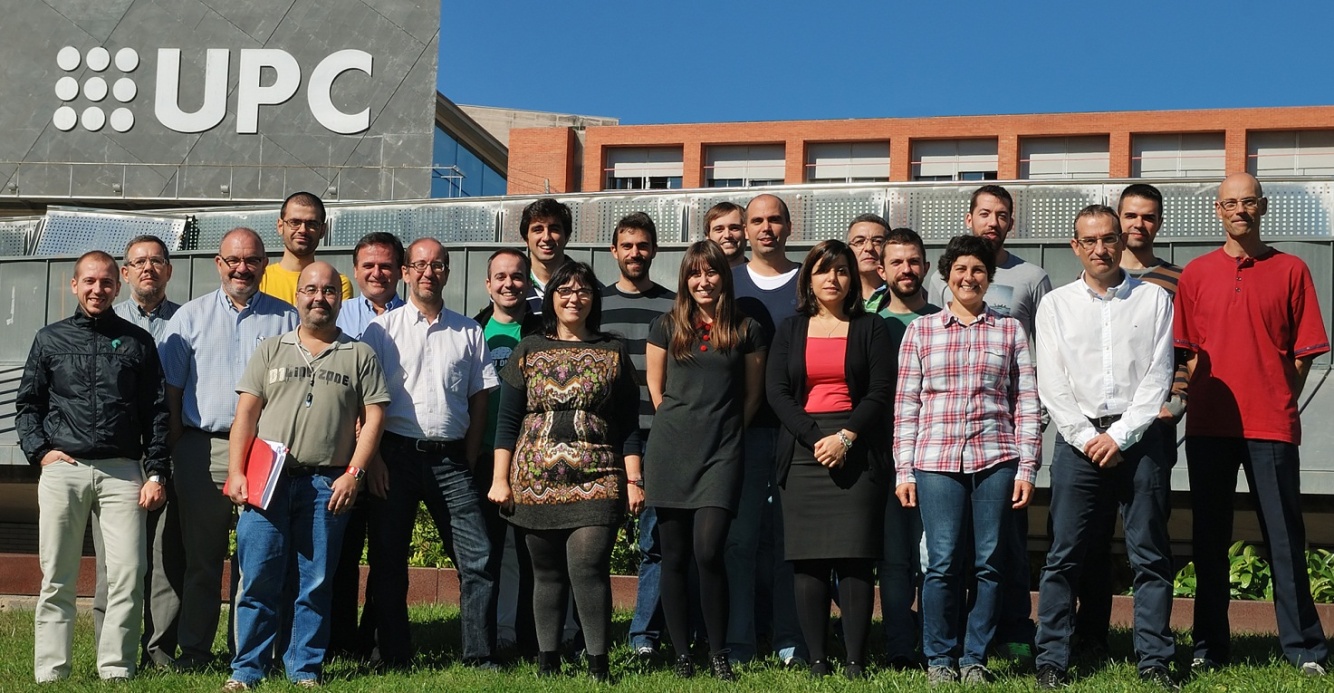
IEB aims to develop innovative measurement methods that enhance medical diagnostics by improving reliability or reducing invasiveness, to create and validate tools and procedures based on new ICT technologies in sports, medicine and biotechnology, and to provide consultancy to hospitals and medical research centers on the application of ICT technologies. The group focuses on the conception, design, implementation and validation of new instrumentation systems and devices in the fields of medicine, biotechnology, automated testing and electromagnetic compatibility. A key focus is the development of advanced measurement methods for medical diagnostics, biotechnological processes, electromagnetic field measurements in hospital environments and the study of electromagnetic field interactions with living organisms.
Featured Projects
Electronic lung biopsy guided by electromagnetic navigation bronchoscopy
This system, aimed at improving lung cancer diagnosis, helps physicians assess whether a real bronchoscopy is advisable, reducing risks and discomfort for the patient. The project focuses on the study, implementation, and evaluation of navigation systems to assist bronchoscopy procedures when examining peripheral lung lesions.
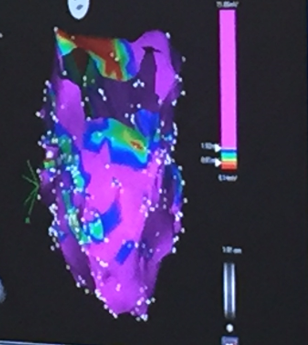
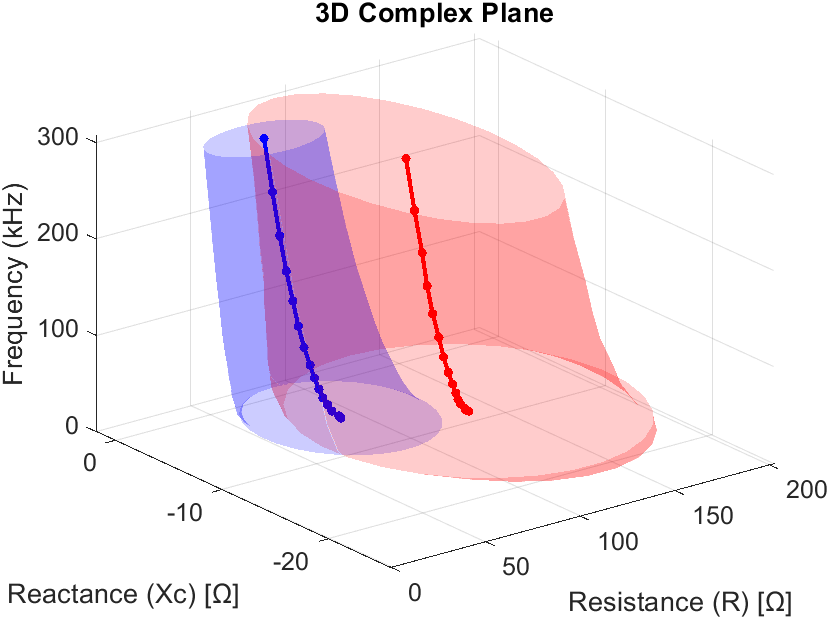
Transcatheter electrical impedance spectroscopy for improving cardiac arrhythmia ablation
This innovative approach to treating cardiac arrhythmias is expected to significantly impact interventional electrophysiology. By reducing intervention time compared to conventional procedures, the method aims to increase procedural efficiency and the number of patients treated annually.
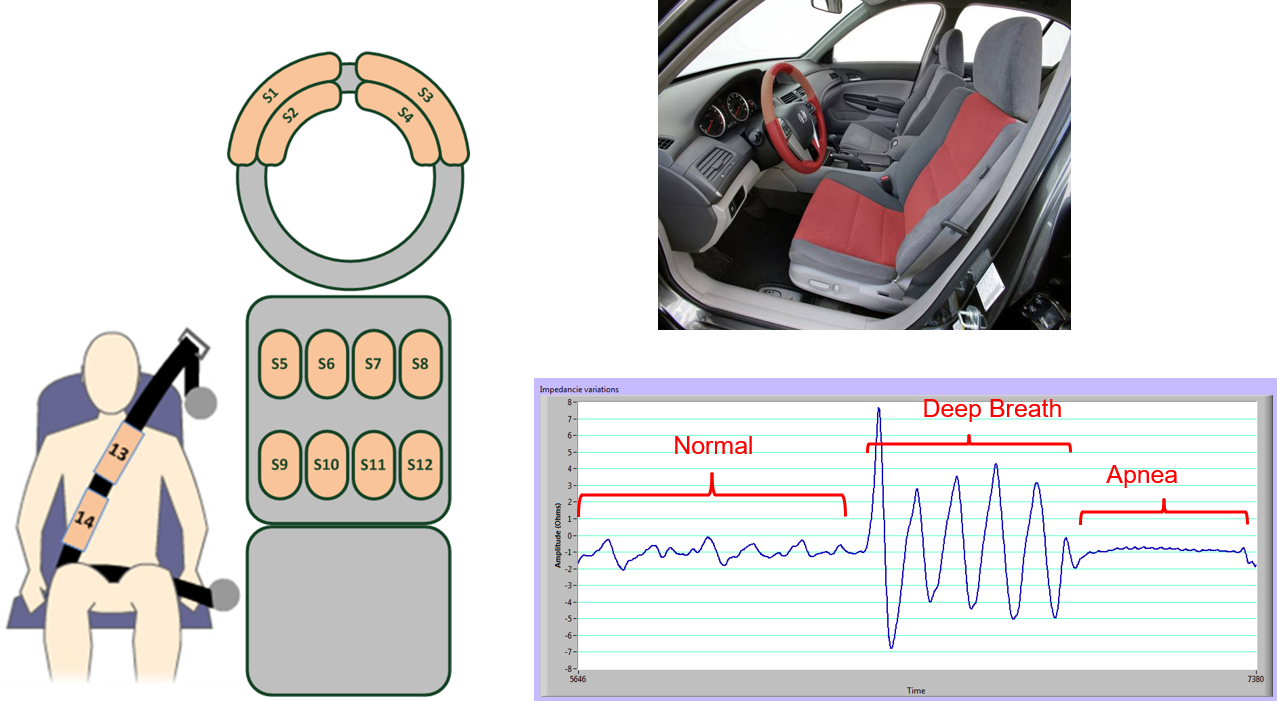
Non-intrusive monitoring of effort / recovery through sleep quality and load balance analysis
The project develops new sensors and signal analysis methods to study sleep using unobtrusive techniques, aiming to understand its connection with sports performance. It also focuses on creating reliable indicators of internal and external load during exercise to assess effort-recovery balance—findings that may also benefit the general population.
Electronic lung biopsy guided by electromagnetic navigation bronchoscopy
This system, aimed at improving lung cancer diagnosis, helps physicians assess whether a real bronchoscopy is advisable, reducing risks and discomfort for the patient. The project focuses on the study, implementation, and evaluation of navigation systems to assist bronchoscopy procedures when examining peripheral lung lesions.
Transcatheter electrical impedance spectroscopy for improving cardiac arrhythmia ablation
This innovative approach to treating cardiac arrhythmias is expected to significantly impact interventional electrophysiology. By reducing intervention time compared to conventional procedures, the method aims to increase procedural efficiency and the number of patients treated annually.
Non-intrusive monitoring of effort / recovery through sleep quality and load balance analysis
The project develops new sensors and signal analysis methods to study sleep using unobtrusive techniques, aiming to understand its connection with sports performance. It also focuses on creating reliable indicators of internal and external load during exercise to assess effort-recovery balance—findings that may also benefit the general population.