




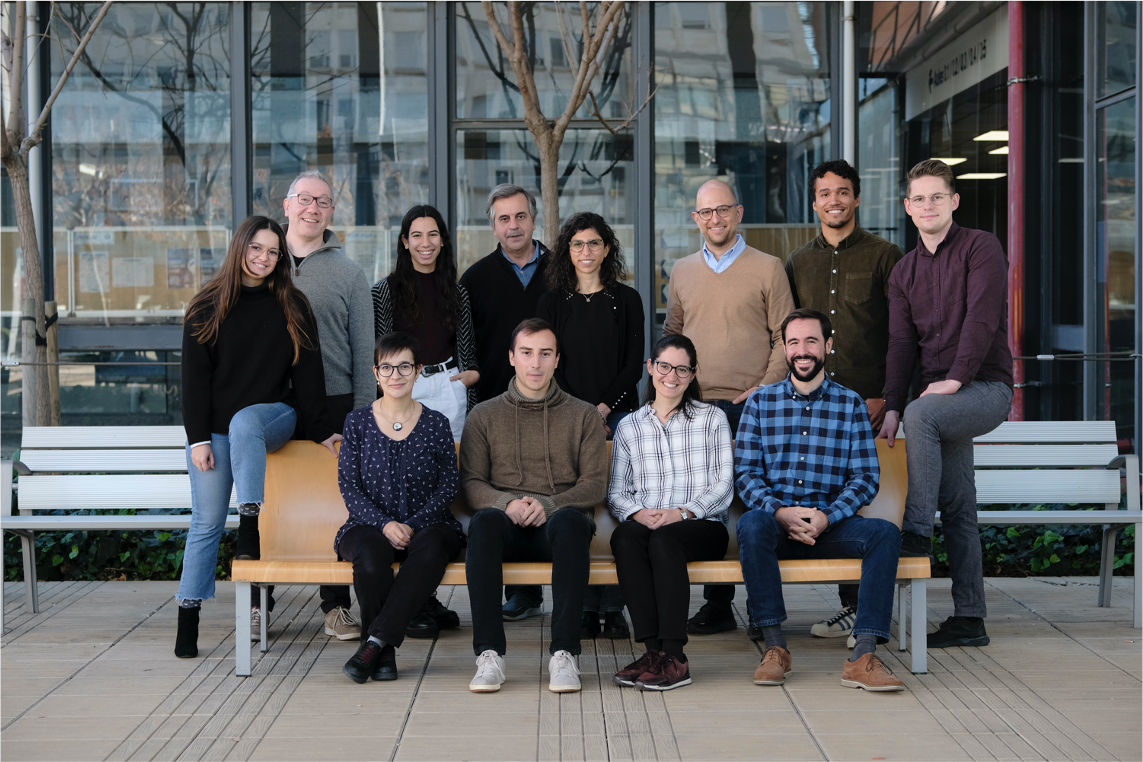
BIOMEC Biomechanical Engineering Lab

Principal investigator: Josep Maria Font Llagunes
Website 
BIOMEC focuses on improving the mobility and quality of life of people with neuromuscular disabilities through the development of cutting-edge rehabilitation technologies and simulation tools. Their work combines engineering, clinical research, and innovation to create real-world impact in healthcare.
Key activities include the design of wearable and robotic assistive devices, the advancement of neuromusculoskeletal modeling to better understand human movement, and clinical validation of technologies such as exoskeletons. The group actively collaborates with clinicians, industry partners, and international institutions to translate research into practical solutions, and promotes innovation through spin-offs and technology transfer initiatives.
Featured Projects
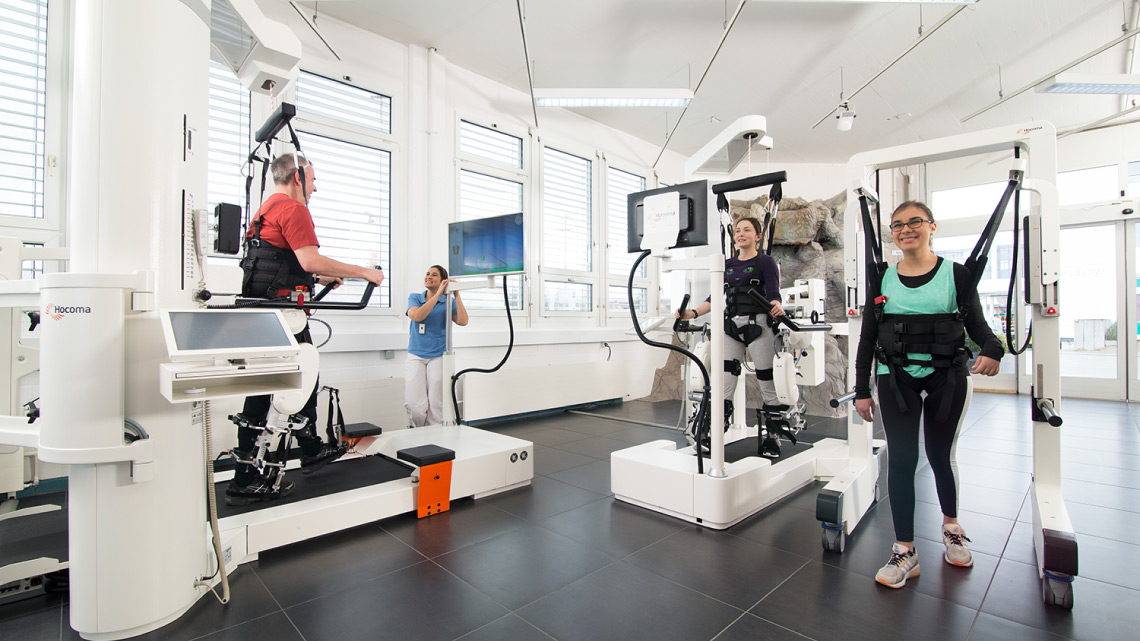
TAILOR – Training the next generation of researchers in rehab robotics
European MSCA doctoral network focused on bringing robotic neurorehabilitation into clinical practice. TAILOR develops AI-driven controllers that adapt in real time to the patient’s motor status, improving therapy intensity, variability, and engagement. The project also promotes advanced training for researchers in personalized, intelligent rehab technologies.<br />
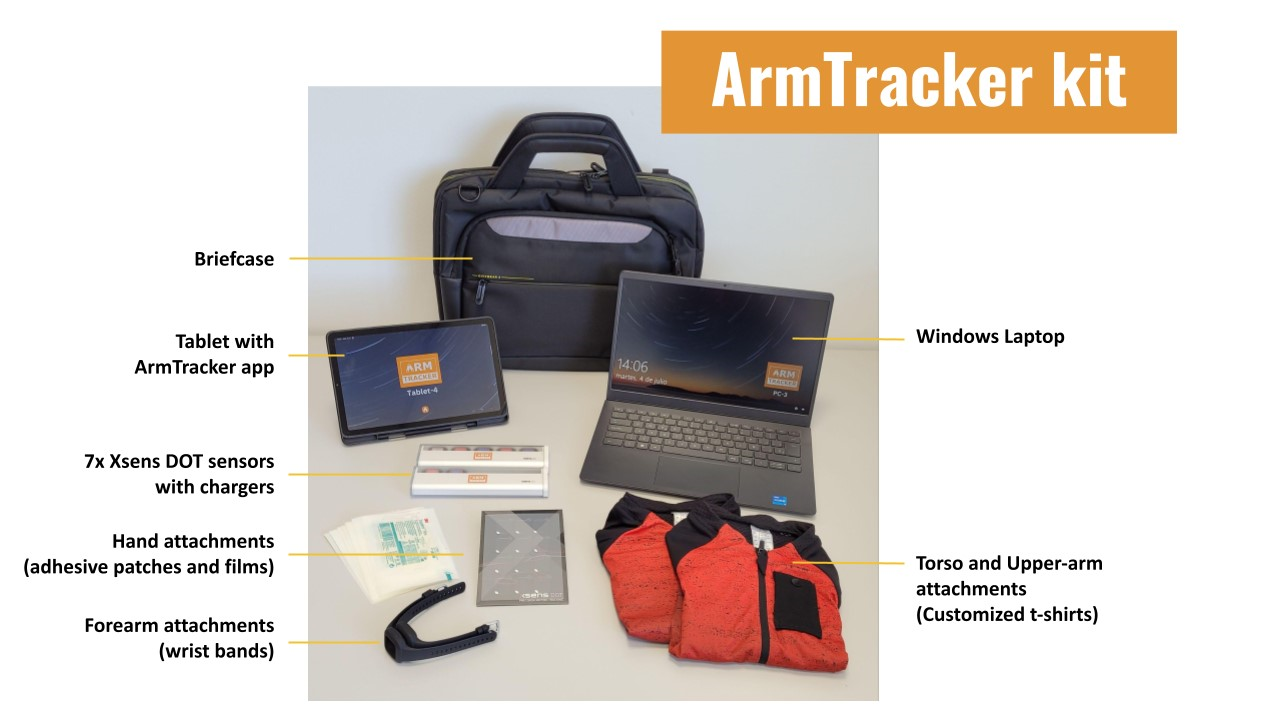
ArmTracker – Wearable system to monitor arm function in neuromuscular diseases
Development of a smart wearable for real-life monitoring of upper limb movement in patients with Duchenne muscular dystrophy and spinal muscular atrophy. It captures daily motion data (range, distribution, acceleration) and applies machine learning to generate objective biomarkers that support treatment decisions and track outcomes.
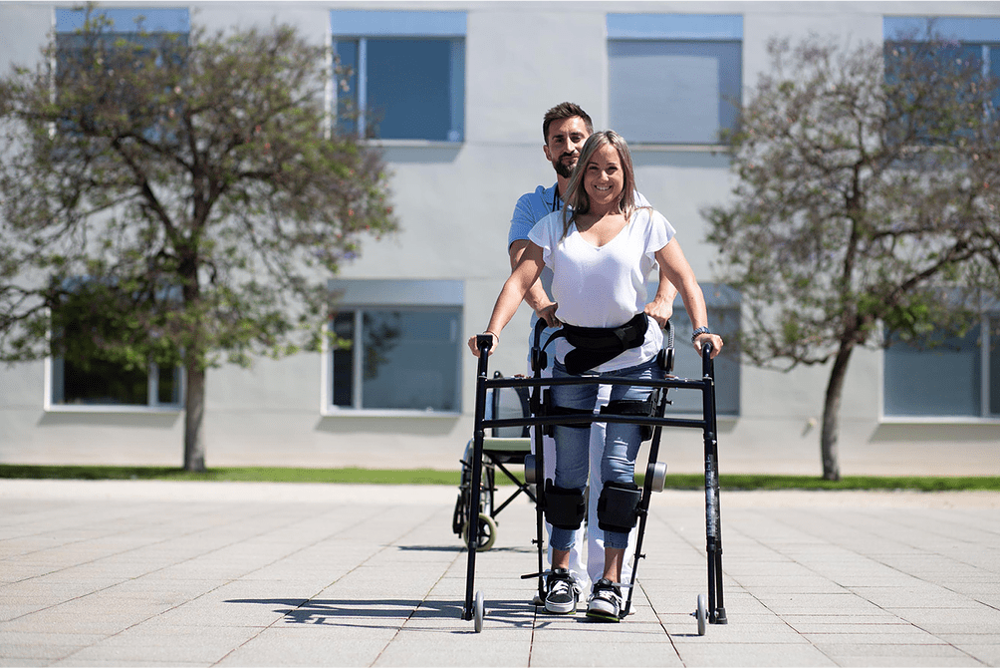
ABLE DailyExo – Smart exoskeletons for everyday use
In collaboration with Able Human Motion, this project designs and tests a new generation of lightweight, affordable robotic exoskeletons for home and community use. The goal is to help people with mobility impairments regain autonomy in daily tasks like walking or climbing stairs, overcoming the limits of current clinical-only devices.
TAILOR – Training the next generation of researchers in rehab robotics
European MSCA doctoral network focused on bringing robotic neurorehabilitation into clinical practice. TAILOR develops AI-driven controllers that adapt in real time to the patient’s motor status, improving therapy intensity, variability, and engagement. The project also promotes advanced training for researchers in personalized, intelligent rehab technologies.<br />
ArmTracker – Wearable system to monitor arm function in neuromuscular diseases
Development of a smart wearable for real-life monitoring of upper limb movement in patients with Duchenne muscular dystrophy and spinal muscular atrophy. It captures daily motion data (range, distribution, acceleration) and applies machine learning to generate objective biomarkers that support treatment decisions and track outcomes.
ABLE DailyExo – Smart exoskeletons for everyday use
In collaboration with Able Human Motion, this project designs and tests a new generation of lightweight, affordable robotic exoskeletons for home and community use. The goal is to help people with mobility impairments regain autonomy in daily tasks like walking or climbing stairs, overcoming the limits of current clinical-only devices.