



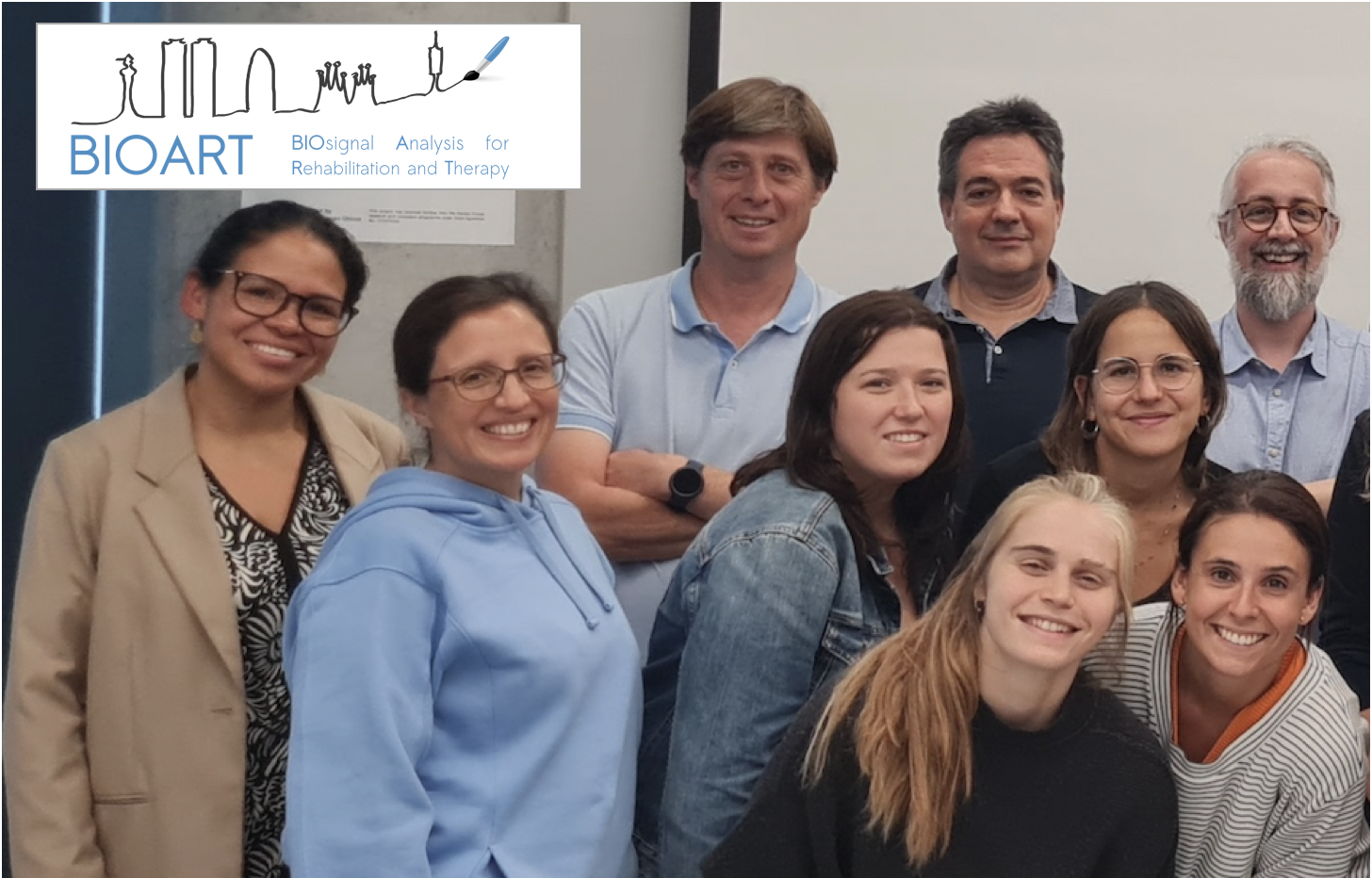
BIOART Biosignal Analysis for Rehabilitation and Therapy

Principal investigator: Miquel Àngel Mañanas Villanueva
Website 
BIOART applies bioengineering techniques to develop and improve rehabilitation processes and clinical therapies. The group focuses on designing quantitative tools to monitor muscle activity and fatigue, supporting neuromuscular control strategies during rehabilitation exercises. BIOART also develops technologies to assist clinicians in managing ventilatory disorders and optimizing assisted ventilation in patients with severe respiratory failure. Additionally, the group works on improving brain activity and connectivity assessment in the context of neurological and neurodegenerative disorders, including the interaction of pharmacological therapy with brain function during sleep and wakefulness.
Featured Projects
MV-Optimizer
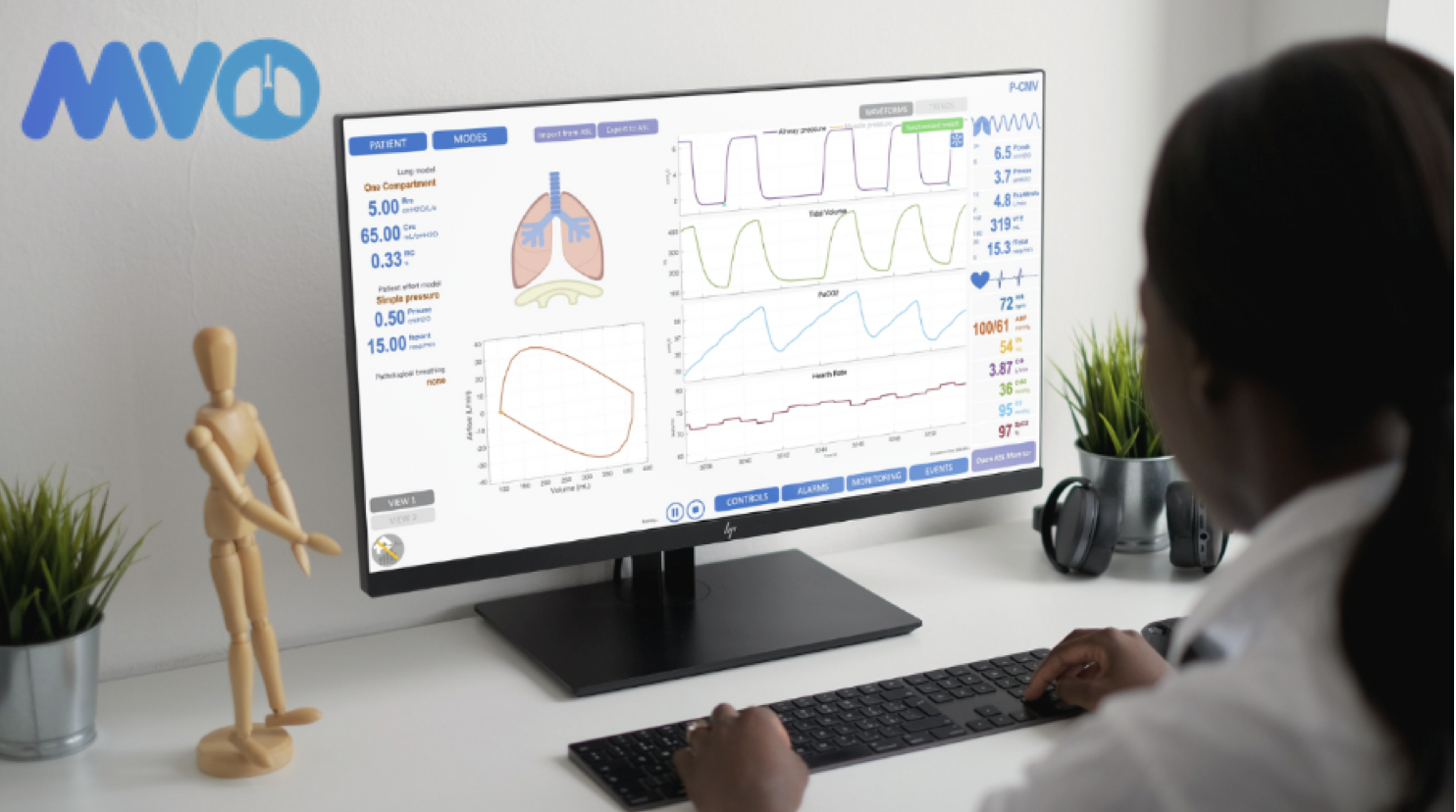
Development of a digital decision support system for managing mechanical ventilation in intensive care units (ICU). It uses mathematical models integrating respiratory and circulatory activity to create a digital twin of the patient, enabling real-time simulation and in silico testing of ventilator settings before application. MV-Optimizer allows evaluating the impact of changes in mechanical ventilation settings on patients in order to personalize the therapeutic response and improve patient recovery.
EEG and HDsEMG Research
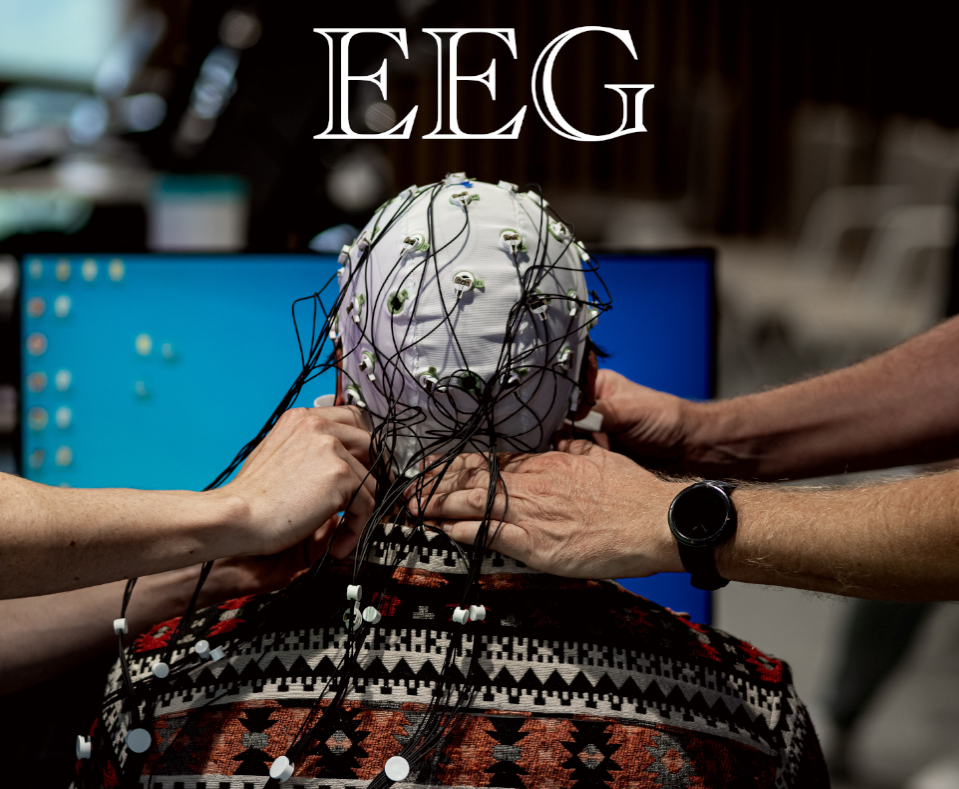
Study of brain and muscle activity using electroencephalography (EEG) and high-density surface electromyography (HDsEMG) to evaluate central and peripheral nervous system alterations associated with diseases such as fibromyalgia, epilepsy, sleep disorders, and Rett syndrome.
Myowear
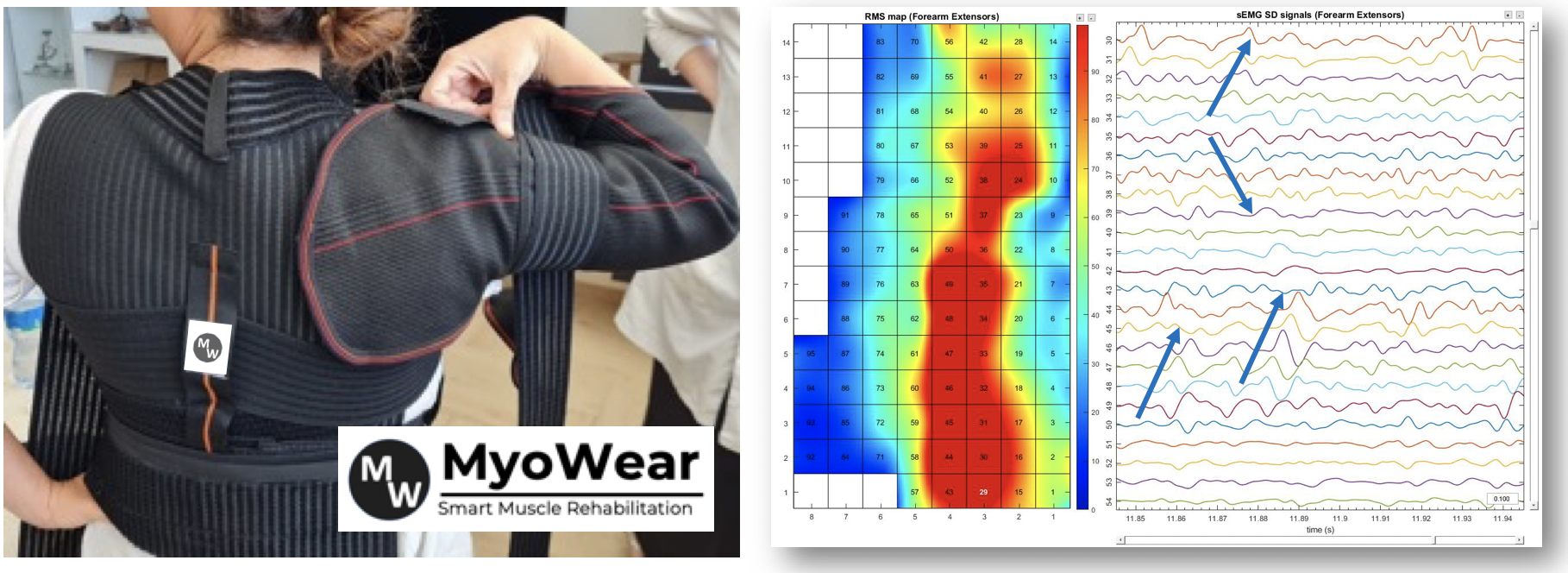
Electromyography-based technology supporting muscle rehabilitation (e.g., epicondylitis). It provides biofeedback through serious games to motivate patients and improve adherence to exercises. The system collects execution data to generate clinical metrics and personalize rehabilitation. Myowear includes various products focused on targeting different anatomical parts of patients. The product consists of an elastic fabric that adapts to the contour of the limb, containing sensors and an adapter to house the electronics.
MV-Optimizer
Development of a digital decision support system for managing mechanical ventilation in intensive care units (ICU). It uses mathematical models integrating respiratory and circulatory activity to create a digital twin of the patient, enabling real-time simulation and in silico testing of ventilator settings before application. MV-Optimizer allows evaluating the impact of changes in mechanical ventilation settings on patients in order to personalize the therapeutic response and improve patient recovery.
EEG and HDsEMG Research
Study of brain and muscle activity using electroencephalography (EEG) and high-density surface electromyography (HDsEMG) to evaluate central and peripheral nervous system alterations associated with diseases such as fibromyalgia, epilepsy, sleep disorders, and Rett syndrome.
Myowear
Electromyography-based technology supporting muscle rehabilitation (e.g., epicondylitis). It provides biofeedback through serious games to motivate patients and improve adherence to exercises. The system collects execution data to generate clinical metrics and personalize rehabilitation. Myowear includes various products focused on targeting different anatomical parts of patients. The product consists of an elastic fabric that adapts to the contour of the limb, containing sensors and an adapter to house the electronics.